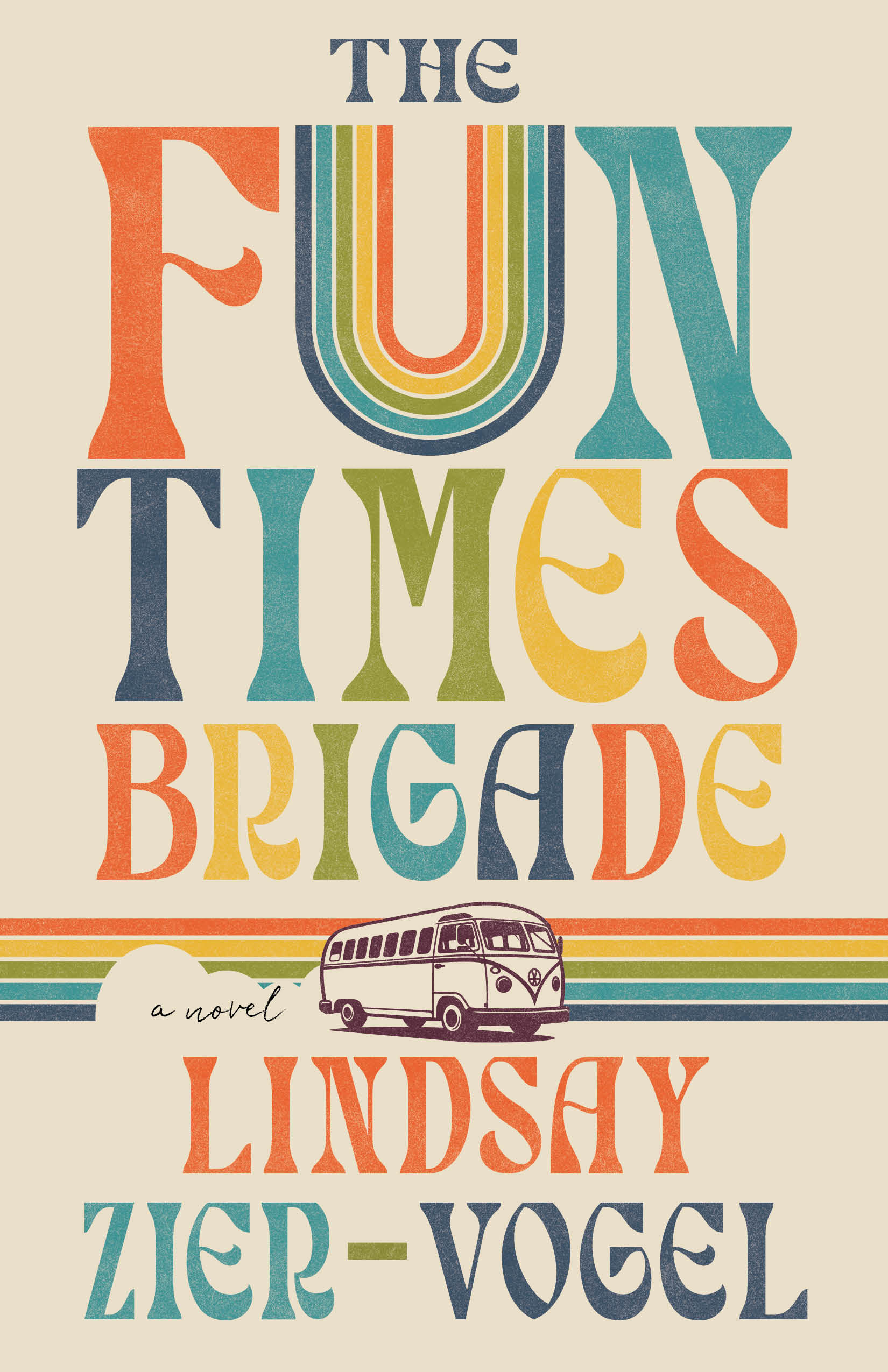
The Fun Times Brigade
by Lindsay Zier-Vogel
Book*hug Press
362 pages
$25
This spring, at the start of my maternity leave, I had the pleasure of reading Lindsay Zier-Vogel’s second novel, The Fun Times Brigade. It wasn’t my first baby, but I’d somehow forgotten so much about the newborn phase: how tough it is to leave the house; how desperate you are for alone time but ache when you’re not with your little one; and especially, how impossible it feels to do anything creative. It was both surreal and validating to see my experience reflected in The Fun Times Brigade through the eyes of Zier-Vogel’s protagonist, Amy, a singer-songwriter and first-time mom.
When we meet Amy, she’s in the throes of early motherhood, where each day is “a hamster wheel of nursing and diaper changes and swapping out damp breast pads.” She’s lonely and envious of her husband Max’s freedom. But “Mom” Amy is also “Fun Times” Amy, the third member of the popular children’s folk band The Fun Times Brigade, alongside “Canadian music legends” Fran and Jim. As Amy struggles to acclimate to her new reality, she must also grapple with her identity as a musician—and face a devastating loss. Through flashbacks, we see Amy’s rocky path from aspiring indie rock star to children’s entertainer, and how that journey has shaped her.
Like many Canadian millennials, I grew up watching The Elephant Show and Fred Penner’s Place. Songs like “Skinnamarink” and “The Cat Came Back” make up the soundtrack to my childhood, so it was a joy to “hear” the folksy, nostalgia-infused Brigade songs come to life on the page. Zier-Vogel’s original lyrics are sweet but not sentimental, and in every performance scene, she captures the harmonica-and-guitar atmosphere so authentically that I was unsurprised to discover she had interviewed Canadian children’s entertainers and musicians Fred Penner, Sharon Hampson, and Bram Morrison while researching the novel.
Undeniably, music takes centre stage in The Fun Times Brigade. “Music fixes everything,” says Fran to Amy, and we see this play out in different ways. But more than a frank depiction of motherhood, this novel is an exploration of love and grief; of success and how we define it; and of the unique challenges faced by women artists with children. How do you balance your family and career? What do you sacrifice, and how do you know if those sacrifices will be worth it? And how do you carve out space for your creative soul? These are questions I ask myself constantly, and the relatability of Amy’s journey is one of the novel’s great strengths.